
-
9-11 Eleven Years Later
-
these engineers and architects are pretty dumb if they cant work the real 911 truth out....they should ...
-
-
China's Air Pollution Behind Erratic Weather in the U.S., say Climatologists
-
Coal is dirty, but what happens to Australia if Chinese consumption falls.

-
-
Community Chat Room Poll
-
I get the impression this chat will start ringing like crazy

-
-
UK Column Live 9th July 2012
-
as activist for ukip and supporter of uk column having passed around 100,000 copys of this paper ...
-
Latest Comments
Chat Room Info
0 rooms, 0 connections, logins
Rooms:
None
Users: None
Rooms:
None
Users: None
Solar Power Threatening Future for U.S. Electric Utilities


- Details
- Created on Tuesday, 18 March 2014 06:52
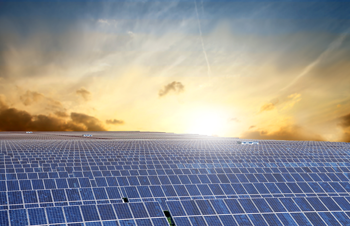 A persistent warning light is flashing for U.S. electric utilities. The utilities -- big and small, for- and not-for-profit -- are facing serious disruptive technology. The old business models are in danger.
The unlikely disruptive technology that is causing the trouble is rooftop solar power.
Back in the energy turbulent 1970s, solar was a gleam in the eye of environmentalists who dared to dream of renewable energy. It looked like a pipe dream.
Very simple solar had been deployed to heat water in desert homes since indoor plumbing became the norm. Making electricity from the sun was many orders of magnitude more complex and it was, anyway, too expensive.
The technology of photovoltaic cells, which make electricity directly from the sun, needed work; it needed research, and it needed mass manufacturing. Hundreds of millions of dollars later in research and subsidies, the cost of solar cells has fallen and continues to go down.
Today, solar certainly is not a pipe dream: It is looking like a mature industry. It is also a big employer in the installation industry. It is a player, a force in the market.
But solar has created a crisis for the utilities.
In order to incubate solar, and to satisfy solar advocates, Congress said that these "qualifying facilities" should be able not only to generate electricity for homes when the sun is shining, but also to sell back the excess to the local utility. This is called "net metering" and it is at the center of the crisis today -- particularly across the Southwest, where solar installations have multiplied and are being added at a feverish rate.
Doyle Beneby, CEO of San Antonio, Texas-based CPS Energy, the largest municipal electric and gas utility in the nation, said, "The homes that are installing solar quickly are the more affluent ones." The problem here, he explained, is that the utility has to maintain the entire infrastructure of wires and poles and buy back electricity generated by solar in these homes at the highest prevailing rate -- often more than power could be bought on the market or generated by the utility.
Steve Mitnik, a utility industry consultant, said that 47 percent of the nation's electric market is residential and the larger, affluent homes -- which use a lot of electricity, and generally pay more as consumption rises -- are a critically important part of it. Yet these are the ones that are turning to solar generation, and expect to make a profit selling excess production to the grid.
But who pays for the grid? According to CPS Energy's Beneby, and others in the industry, the burden of keeping the system up and running then falls on those who can least afford it.
The self-generating homes still need the grid not only to sell back to but,more importantly, to buy from when the sun isn't shining and at night.
READ MORE: Solar Power Threatening Future for U.S. Electric Utilities

