
-
9-11 Eleven Years Later
-
these engineers and architects are pretty dumb if they cant work the real 911 truth out....they should ...
-
-
China's Air Pollution Behind Erratic Weather in the U.S., say Climatologists
-
Coal is dirty, but what happens to Australia if Chinese consumption falls.

-
-
Community Chat Room Poll
-
I get the impression this chat will start ringing like crazy

-
-
UK Column Live 9th July 2012
-
as activist for ukip and supporter of uk column having passed around 100,000 copys of this paper ...
-
Latest Comments
Chat Room Info
0 rooms, 0 connections, logins
Rooms:
None
Users: None
Rooms:
None
Users: None
Half of meat product samples contained DNA of wrong animals, council finds


- Details
- Created on Wednesday, 19 March 2014 01:59
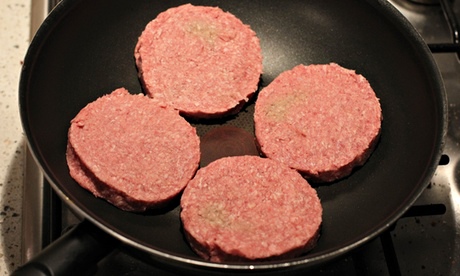 Half of the meat samples tested by a local authority food safety team last year contained species of animals not identified on their labels.
Beefburgers and sausages sampled by Leicester Trading Standards contained undeclared chicken, while samples of lamb curry were found to contain cheaper beef or a mix of beef and lamb or turkey.
Leicester city council is the latest authority to publish results from a targeted survey of meat products on sale in its area in 2013, which shows that gross contamination of meat is widespread.
The findings follow similar results from West Yorkshire, North Yorkshire and West Sussex councils that also found consumers were regularly being misled about the contents of their food.
Minced beef samples were found in Leicester that were a mix of meat from three species; beef, chicken and lamb. Lamb mince samples contained not only lamb but also beef, chicken and turkey. Twelve out of 20 samples of doner kebab meat also failed to meet legal requirements because the species of animals used were misdescribed.
In total, 105 samples of meat products were collected from butchers, retailers, wholesalers, manufacturers, fast food shops and caterers in Leicester and tested by the public analyst. Of these, 50 samples failed to meet legal requirements for composition and labelling, 47 of them because they contained undeclared species of animal.
Leicester council says deliberate deception is likely to be the cause in several cases, while in others failure to clean machines properly between processing batches of different meats may be the explanation.
In 18 samples, meat of an undeclared species was a major ingredient, accounting for levels of between 60% and 100%. The rest of the failed samples tested positive for the presence of at least one type of undeclared meat at medium (30-60%) or minor (5-30%) levels.
One sample returned no DNA result in the tests as the meat ingredient had been so heavily processed it was marked down as denatured.
Last month the Guardian revealed that hundreds of food tests carried out by West Yorkshire councils had also found the routine adulteration of food and drink. Over a third of nearly 900 samples collected in that area were not what they claimed to be or were mislabelled in some way.
The regulator, the Food Standards Agency, which defines any level of DNA of undeclared species of over 1% as "gross adulteration", said the failure rate found by Leicester and West Yorkshire is higher than the picture overall because its sampling programmes were targeted at categories of produce where problems are already suspected. The overall failure rate for meat in 2013 in local authority testing held by the FSA was 13.5%, it said.
It added: "The Food Standards Agency and Defra are helping target local authority resources through greater central coordination of intelligence, giving additional support for complex investigations, and additional funding. The government has increased support to the national coordinated programme of food sampling by local authorities from £1.6m to £2.2m in 2013-14."
READ MORE: Half of meat product samples contained DNA of wrong animals, council finds

